
FSGC
FSGC
The FSGC was founded in 1931.
In 1965, the Coppa Titano was relaunched. Football in San Marino continued to grow.
In 1985, another major turning point: the first San Marino Football Championship began. The Federation Cards were also developed and introduced.
In 1988, after two years of provisional membership, first UEFA and then FIFA granted the FSGC full membership. Immediately afterwards, official international competition began with the San Marino national teams taking part in World Cup and European tournaments. With the new millennium, San Marino’s domestic competitions gained a foothold in Europe: first the UEFA Cup (later renamed the UEFA Europa League), then the Champions League and, in the 2020s, the UEFA Conference League.
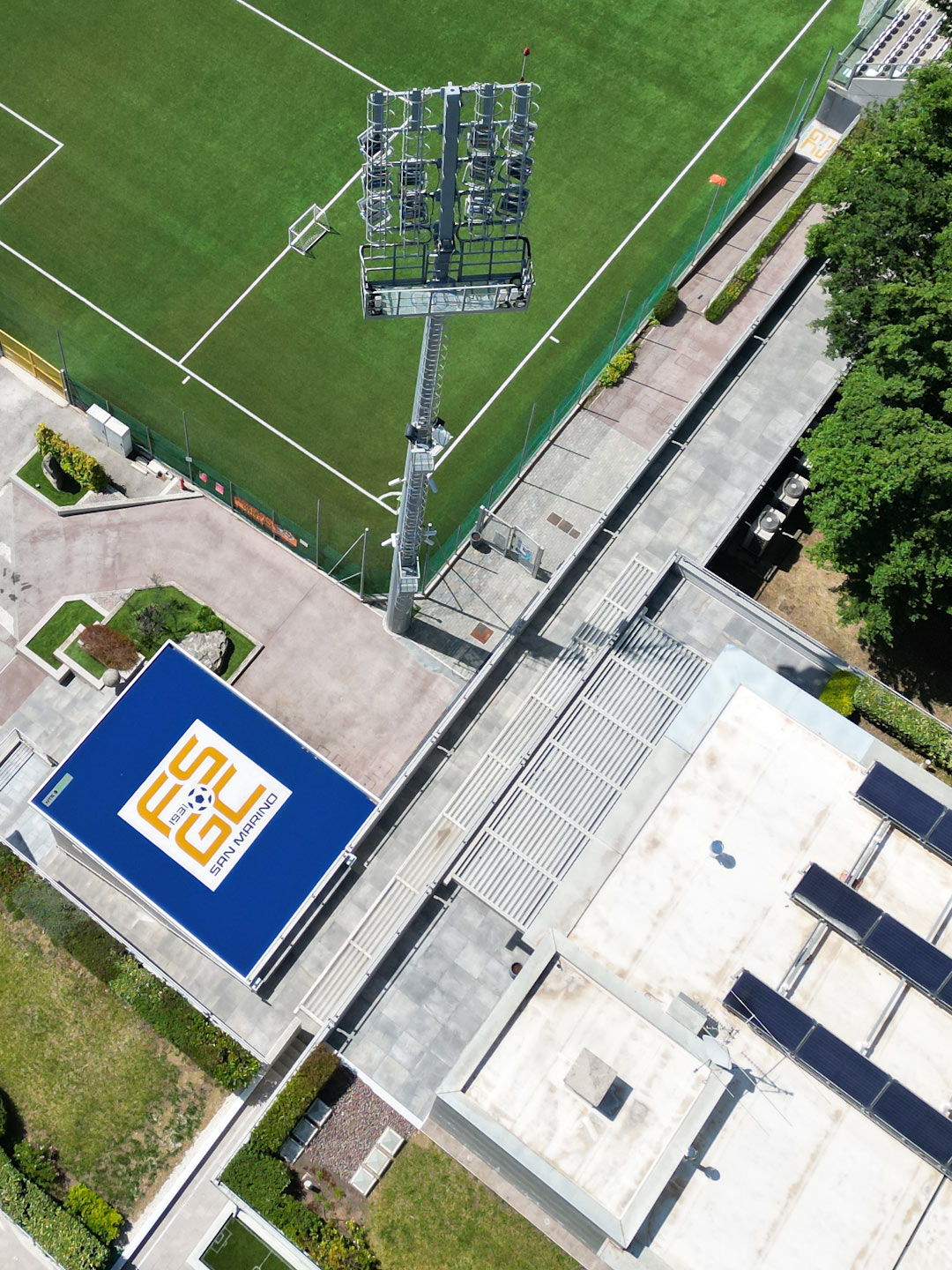
In 2008, the new headquarters of the FSGC was inaugurated: the Casa del Calcio.
In 2017, after more than 30 years in office (he had been in post since 1985), Giorgio Crescentini stepped down as President of the FSGC. Marco Tura, a former international referee, was elected. Tura was subsequently re-elected in the 2022 elections – postponed by a year due to the Covid emergency – and in 2025.
Meanwhile, in recognition of the enormous boost he has given to the growth of football in San Marino, Giorgio Crescentini has been appointed an honorary member of the FSGC: this is the first time such an honour has been bestowed.
In 2021, to mark its first 90 years of existence, the FSGC launched a new brand identity applied to the national teams and the federation’s activities.
Men's NTS
Men's NTS
It was not until the second half of the 1980s that the San Marino national team was formed. Its very first matches consisted of a series of home friendlies.
Then came its first official fixture: participation in the Mediterranean Games. All this whilst the FSGC began the process of affiliating with the continent’s and the world’s top football governing bodies.
In this sense, 1988 was a crucial year: it was then that definitive affiliation with UEFA and FIFA was achieved. San Marino now had all the necessary credentials. Its debut in the European qualifying circuit dates back to 1990.
This was closely followed – in 1992 – by its debut in the World Cup qualifiers.
The technical gap is there and almost always takes its toll. There are extraordinary fairy-tale moments, such as the penalty saved by “ Gigi” Benedettini against England captain David Platt at Wembley, the draw with Turkey, the lightning goal by Davide Gualtieri again against England, and the friendly victory over Liechtenstein. But for the most part, the story of the San Marino national team is one of David versus Goliath battles. Yet what counts far more is the passion, the determination to be there at any cost, and the pride in defending one’s flag in the presence of the great European nations.
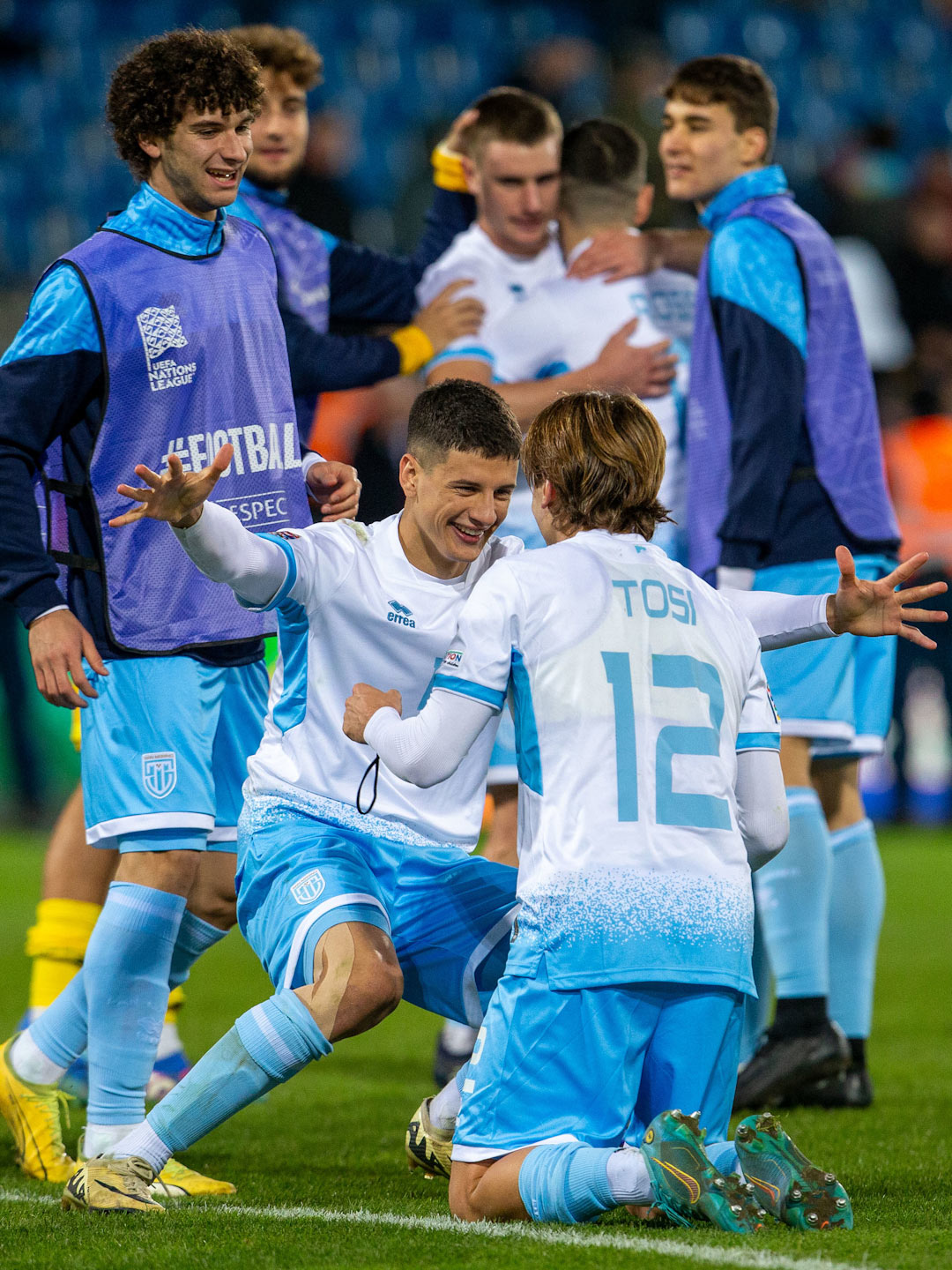
It’s tough at times, but there are also moments of pure ecstasy, such as the historic promotion to League C of the UEFA Nations League in the autumn of 2024, achieved thanks to a draw and two wins, both against Liechtenstein, as well as the Titans’ very first three-point matches.
Championship
Championship
The first precursor to the current San Marino Football Championship was established in April 1937.
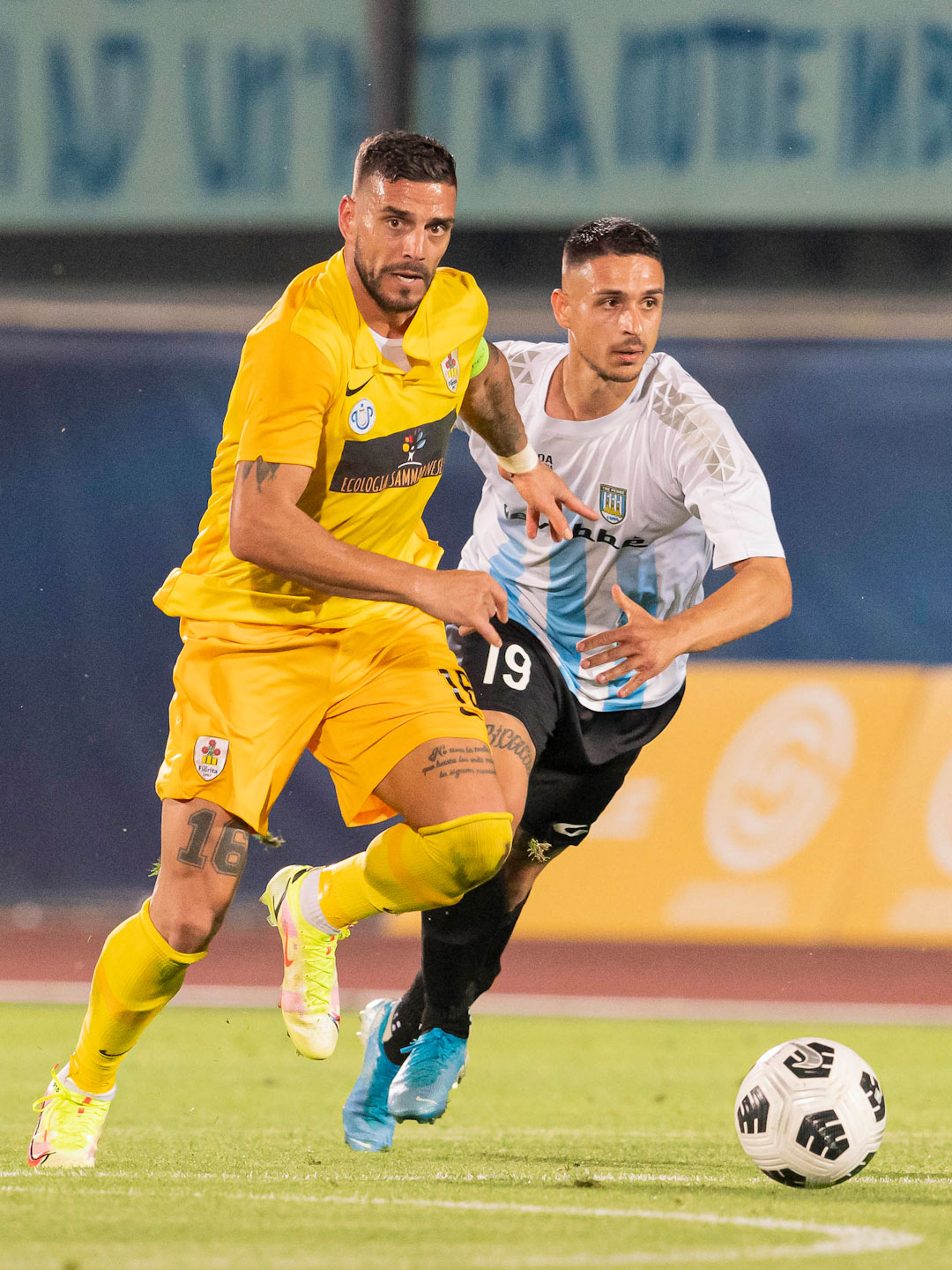
After five years of trials, in 1985 the first San Marino Football Championship officially kicked off, a prerequisite for membership of UEFA and FIFA.
The tournament format, which was expanded in 1986 to include a play-off phase, comprised two divisions: a Serie A1 consisting of nine teams and a Serie A2 comprising the remaining eight.
A major reform took place in 1996, when the FSGC abolished the second division and divided the participating teams into two groups of equal standing.
At the dawn of the New Millennium, UEFA granted the league winners the opportunity to compete in the UEFA Cup Qualifiers.
From the 2006–2007 season onwards, the UEFA Champions League Qualifiers were introduced.
The winner of the Titano Cup qualified instead for the UEFA Cup Qualifiers, later renamed the UEFA Europa League.
The same applies to the team finishing second in the league from 2010 onwards, the year in which three San Marino teams were admitted to European competitions.
The 2019-20 season was suspended due to the outbreak of the Covid-19 pandemic.
The 2021-22 season, although slowed down by Covid, is the first in which the recent Single Group format is completed in its entirety.
From the 2022-23 season onwards, the Scudetto is awarded to the team that wins the regular season, with the play-offs determining the winner of one of the other two European places, which now open the door to the newly formed UEFA Europa Conference League.
The following season saw the launch of the San Marino Academy U22, the national project created to ensure significant development for players fresh out of the youth system, primarily those from San Marino.
Titan Cup
Titan Cup
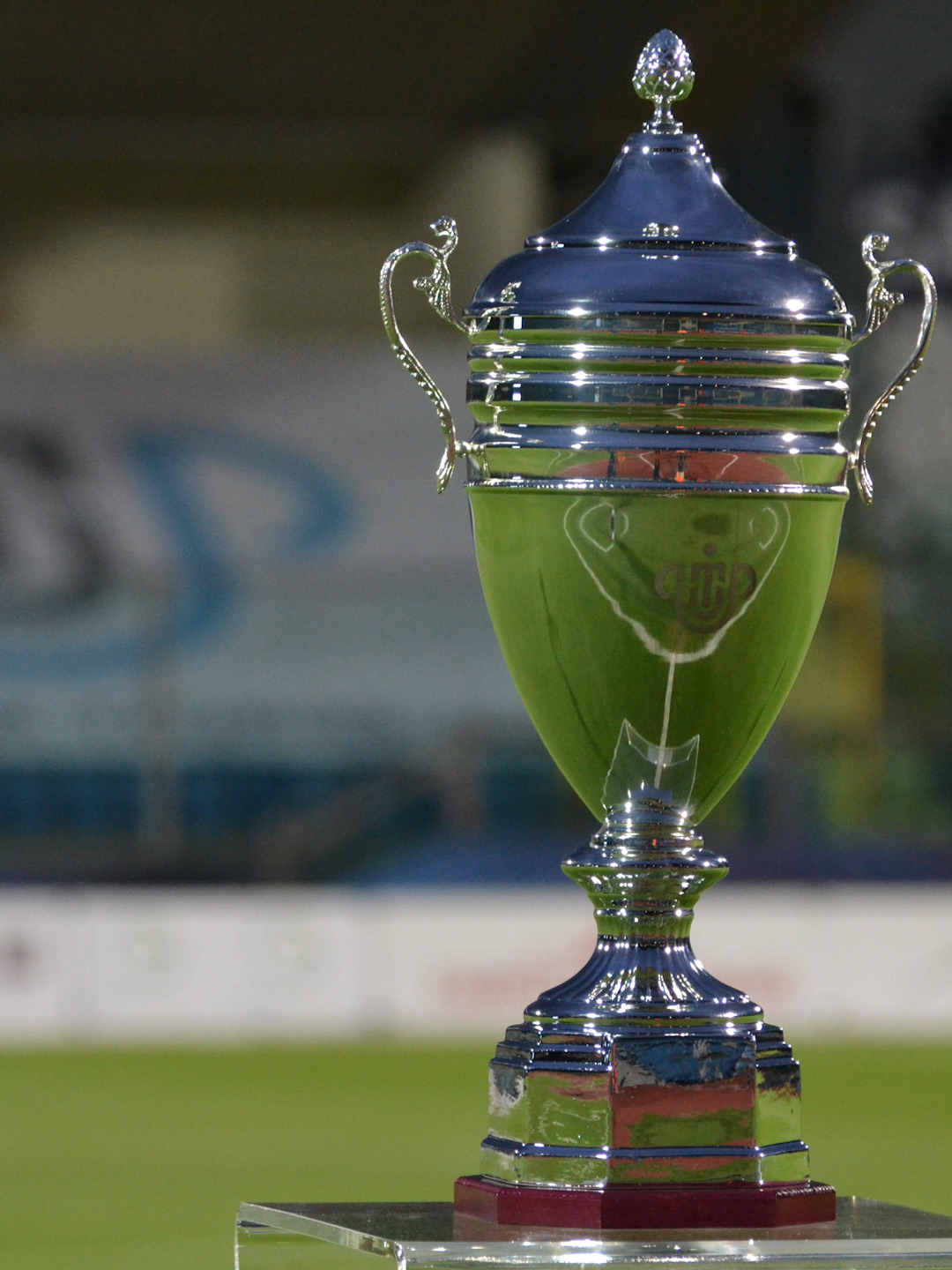
It is thanks to the Coppa Titano, established in the second half of the 1960s, that football in the Republic offers its fans a regular fixture.
Matches are played exclusively during the summer months, on Sundays, at the Fiorentino ground.
Over the years, the Coppa Titano has changed its format and structure on several occasions.
Originally a single-group competition, in 1970 it was split into two groups (A and B).
In 1976 the groups became three (A, B and C), but a year later the format reverted to two groups.
A further change coincided with the last edition of the Coppa Titano before the advent of the A1 league.
In 1980 the Coppa Titano officially became the national cup and all the summer championships played in previous years were recognised as part of it, starting with the 1937 edition.
From the 2007–08 season, the Coppa Titano winners also gained entry to the qualifying round of a European cup, in this case the UEFA Cup, which very soon became the UEFA Europa League.
From the 2018-19 season, the Coppa Titano no longer features a group stage.
The new format is, in fact, much more streamlined than previous ones: all participating teams except the defending champions begin their campaign directly in the round of 16.
The defending champions, on the other hand, enter the competition at the quarter-final stage.
In 2019-20, Covid-19 forced the suspension and ultimately the cancellation of the 62nd edition of the Coppa Titano.
The trophy was not awarded, unlike the Scudetto for that same year.
Futsal
Futsal
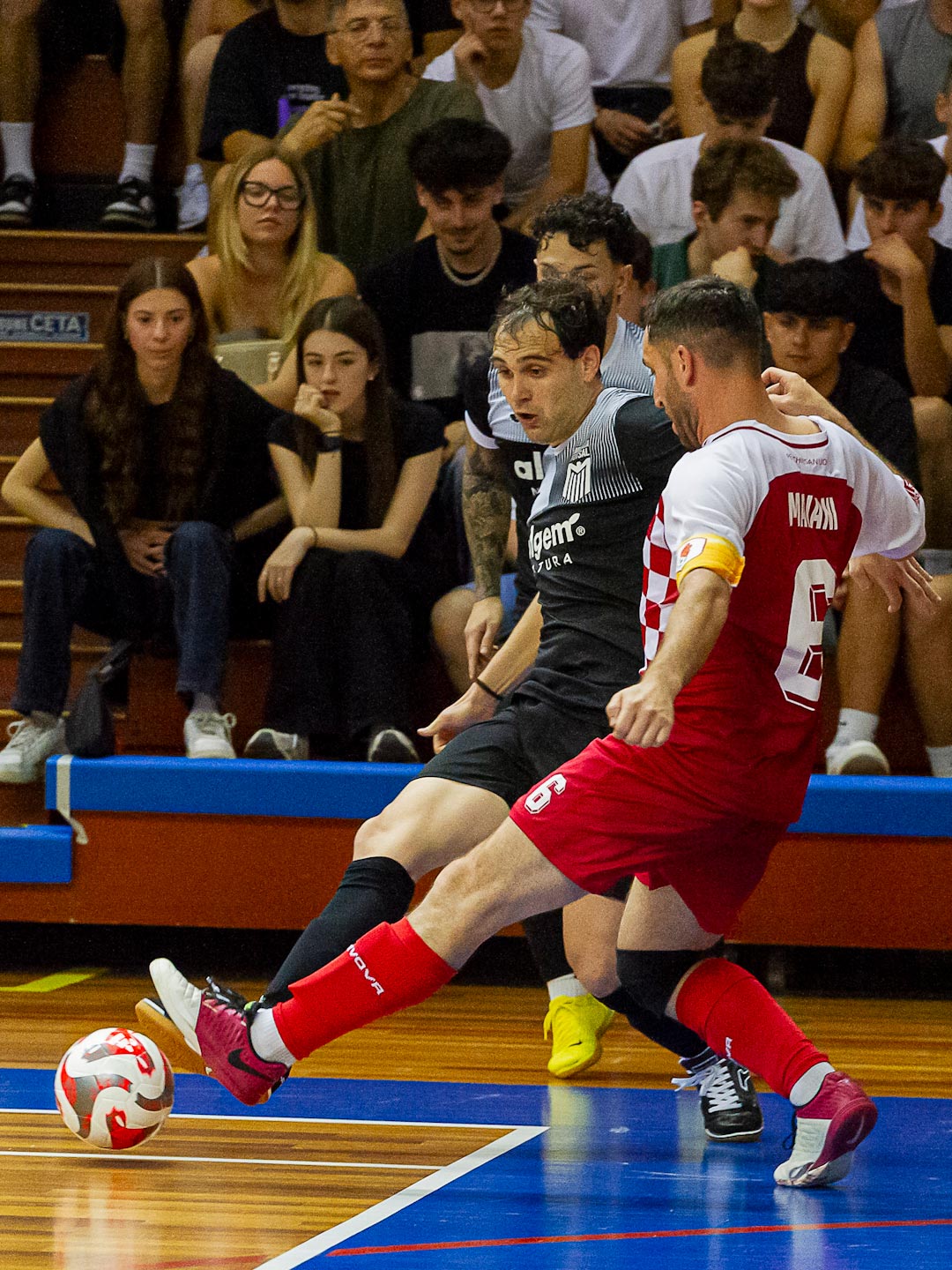
Futsal in San Marino began in 2006.
With only four teams registered, the first San Marino Futsal Championship came to a swift end.
The following year also saw the launch of the first national cup, known as the San Marino Futsal Cup.
In this case, the first team to be entered in the competition’s roll of honour was Tre Fiori.
The 2007 edition of the San Marino Championship saw the introduction of the play-off stage and the extension of the season into the following calendar year.
The format no longer featured a single group but two.
The San Marino Futsal Cup is also played over two knockout rounds, which grant access to the final stages.
From the 2015–16 season, the winning team of the San Marino Futsal Championship qualifies for the preliminary round of the UEFA Futsal Cup, which later became the UEFA Futsal Champions League.
From the 2022-23 season onwards, the San Marino Futsal Championship, like the football championship, will feature a single group followed by play-offs.
And it will always be the latter who crown the tournament winners.
From the 2022–23 season onwards, the Titano Futsal Cup (formerly the San Marino Futsal Cup) will follow the recent format of the Coppa Titano, namely a double-knockout draw.
Since 2017, San Marino futsal has had its own Super Cup.
In 2020 and 2021, the title was not awarded due to the pandemic emergency.
The same applies to the 2019-20 and 2020-21 editions of the Titano Futsal Cup.
Women's NTS
Women's NTS
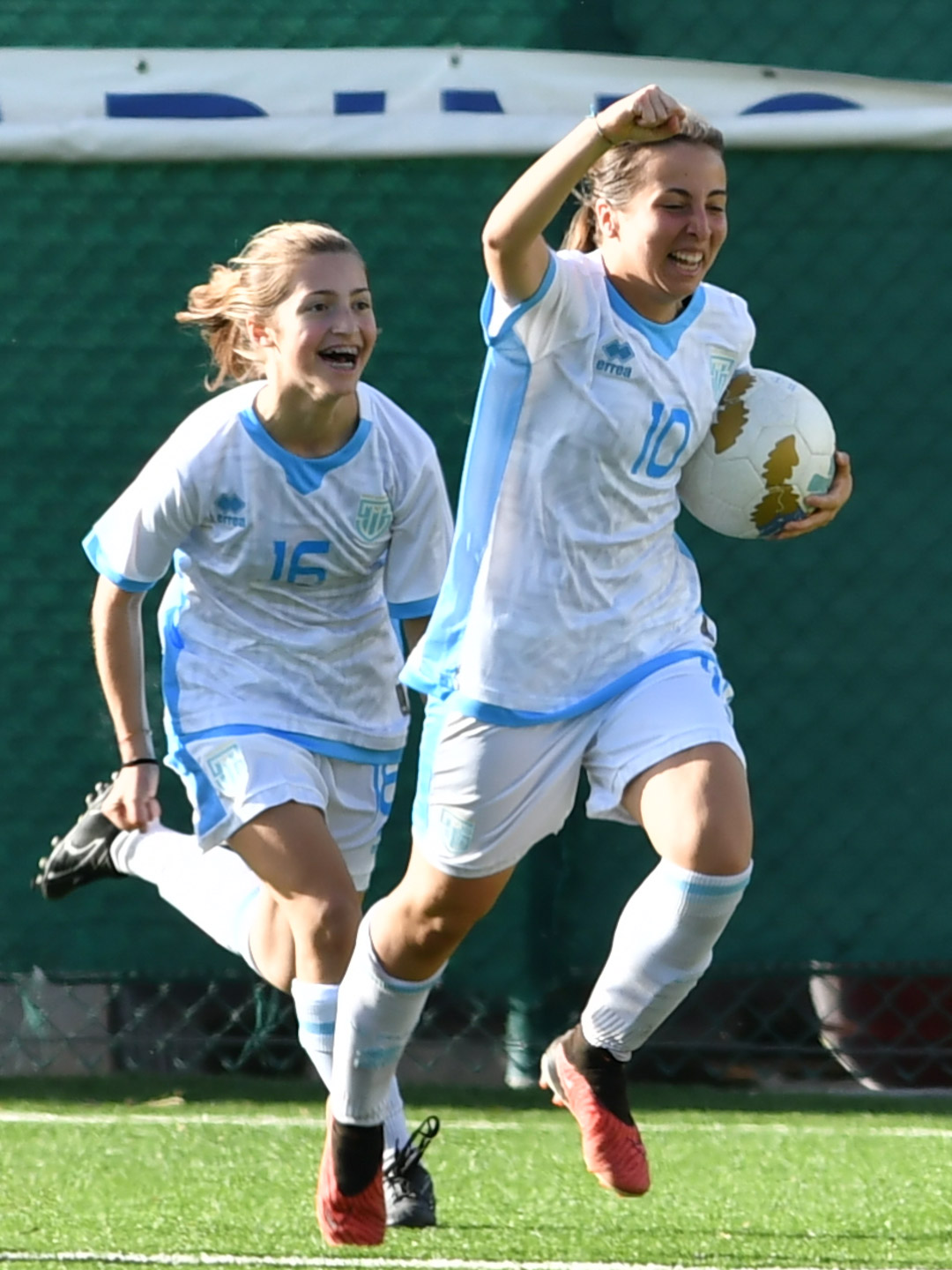
Following an initial trial run organised by Dogana and Cosmos in the late 1980s and early 1990s, women’s football in San Marino took its first steps at the start of the new millennium under the auspices of the FSGC.
For the time being, there is only one women’s first team, which entered the Serie D league in the 2004–2005 season.
Meanwhile, the youth sector was also established and strengthened.
Careful promotional work helped to break down old stereotypes and convince an ever-increasing number of girls to try their hand at football.
In 2017, the youth and women’s activities run by the FSGC were transferred to the San Marino Academy club.
In the 2018–19 and 2019–20 seasons, the women’s First Team achieved two historic consecutive promotions: from Serie C to Serie A.
Meanwhile, talent is being nurtured in the youth sector, the brightest of which is Chiara Beccari, who joined Juventus at a very young age and was a key player for the Italian national teams until she reached the World Cup in the summer of 2023.
Over the years, other San Marino players have caught the eye of prestigious Italian clubs.
At the same time, the FSGC launched a women’s national team programme: the very first was the Under-16s, who made their debut in 2024 by hosting the UEFA Development Tournament.
The following year, San Marino’s first participation in the qualifiers for a Women’s European Championship was confirmed: in this case, the Under-19 European Championship.
Youth
Youth
In 1963, the Government Agency for Tourism, Sport and Entertainment established the N.A.G.C. (Youth Football Training Centre) in San Marino.
Two working groups were formed: one comprising boys aged 10 to 12 and the other aged 12 to 14.
In 1970, the Government Tourism Board offered the role of N.A.G.C. manager to Pietro Paolini (then playing for Juventus), who accepted.
The Government Tourism Board supported the financial and organisational efforts until the mid-1970s.
From 1977 onwards, the Football Federation took over the youth sector without, however, changing the project’s “director”, Pietro Paolini.
Meanwhile, Giorgio Crescentini, President of the FSGC, began to outline a revitalisation project for San Marino youth football: the draft was approved and the courses began in 1978.
From 1984 the federation’s grassroots youth sector returns to the responsibility of the affiliated sports clubs, which undertake to provide football training for young players up to the “Giovanissimi” category, and subsequently up to the Under-12s.
The competitive sector, on the other hand, remains within the FSGC until 2017, when it moves to the San Marino Academy club.
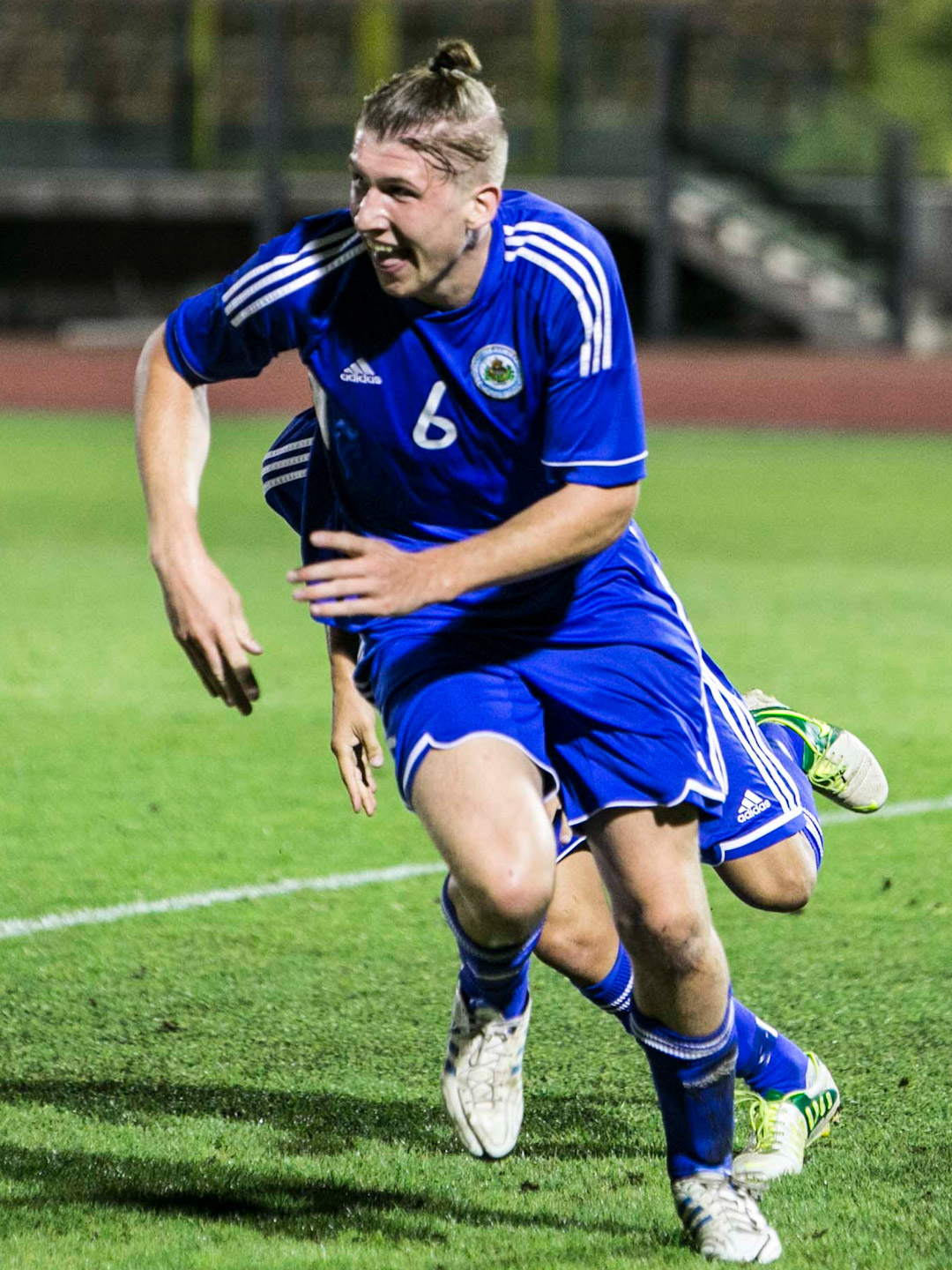
One of the FSGC’s ongoing tasks is to put together the youth national teams to be entered, year after year, in the European qualifiers for the following age groups: Under-17s, Under-19s and Under-21s.
Although they take part in Development Tournaments rather than European qualifiers, the Under-15 and Under-16 national teams are also part of this group.
Referees
Referees
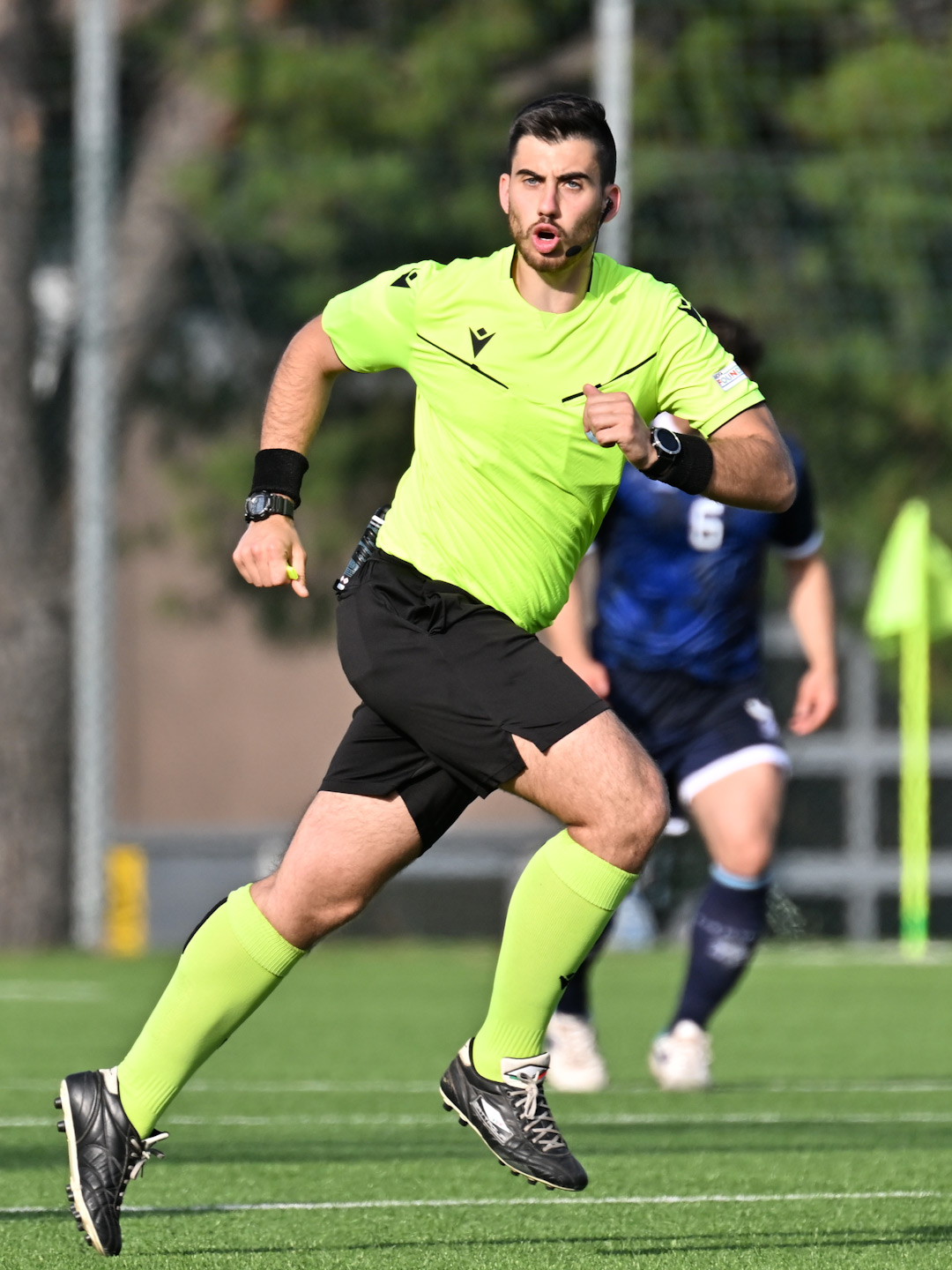
In 1985, the San Marino Referees’ Association (ASA) was founded, electing Luigi Benedettini as President and Marco Tura as Secretary, the latter of whom would become the first international referee from San Marino in January 1992.
Until then, San Marino football had been refereed by officials from the CSI (Italian Sports Centre).
1988 was an important year for San Marino referees.
Indeed, from 26 to 29 March, the ASA took part in a course led by a prominent FIFA referee, the Syrian General Faruk Bouzo.
The rise of the blue-and-white referees began, with them first being deployed in the Serie A2 and then, in 1989, in the Coppa Titano.
In the same year, they make their first appearance in the Serie A1 of the San Marino national championship, which until then had been entrusted solely to Italian referees.
On 23 October 1989, the FSGC submits to FIFA the first proposal to include Titano referees on the list of international referees.
Four names were submitted: Bruno Albani, Orlando Terenzi, Giuliano Bindi and Marco Tura.
In 2017, the FSGC had its first international futsal referee: Daniele D’Adamo.
With Laurentiu Ilie, in 2024, there will be two such slots.
2018 was the year in which San Marino’s refereeing community made its debut in international beach soccer, with Raffaele Delvecchio.
In 2024, the first referee course under the auspices of the FSGC and ASA was launched: 13 young men and women successfully completed it.